UN designates African slave trade as 'gravest crime against humanity' / Photo: Marco Simoncelli - AFP
The UN General Assembly on Wednesday designated the transatlantic African slave trade as "the gravest crime against humanity," despite opposition by the United States and some European countries.
In a move advocates hailed as a step towards healing and possible reparations, the resolution was adopted to applause by a vote of 123 in favor, three against and 52 abstentions.
The United States, Israel and Argentina opposed the measure, while Britain and EU member states abstained.
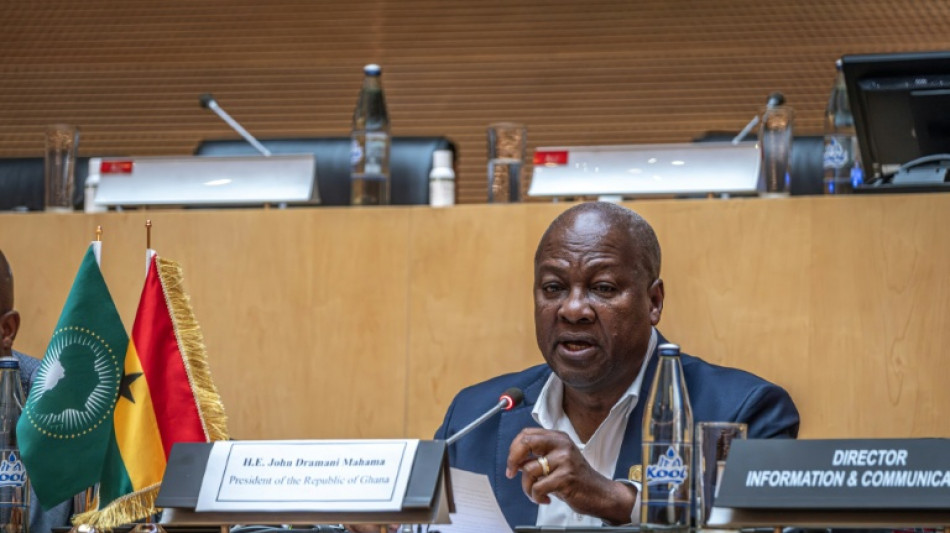
Ghana's President John Mahama, one of the African Union's most vocal supporters of slavery reparations, was at the United Nations headquarters in New York to support the vote.
"Today, we come together in solemn solidarity to affirm truth and pursue a route to healing and reparative justice. The adoption of this resolution serves as a safeguard against forgetting," said Mahama.
Despite being non-binding, the resolution goes beyond simple acknowledgment and asks nations involved in the slave trade to engage in restorative justice.
It also highlights the legacy of slavery via "the persistence of racial discrimination and neo-colonialism" in today's society.
"The transatlantic slave trade was a crime against humanity that struck at the core of personhood, broke up families, and devastated communities," UN Secretary-General Antonio Guterres said.
"To justify the unjustifiable, slavery's proponents and beneficiaries constructed a racist ideology -- turning prejudice into a pseudoscience."
- 'Hierarchy' of tragedies -
The United States called the text "highly problematic."
"The United States also does not recognize a legal right to reparations for historical wrongs that were not illegal under international law at the time they occurred," said US ambassador Dan Negrea.
"The United States also strongly objects to the resolution's attempt to rank crimes against humanity in any type of hierarchy," he added.
Britain and EU countries advanced similar arguments while acknowledging the wrongs of slavery.
The resolution "risks pitting historical tragedies against each other that should not be compared, except at the expense of the memory of the victims," said French representative Sylvain Fournel.
Ghanaian Foreign Minister Samuel Okudzeto Ablakwa on Tuesday dismissed criticism that the text sought to rank human suffering.
He also alleged that some nations had refused to acknowledge their crimes.
"The perpetrators of the transatlantic slave trade are known, the Europeans, the United States of America. We expect all of them to formally apologize to Africa and to all people of African descent," he told AFP.
One pathway toward restorative justice, he said, is that "all the looted artifacts are returned to the motherland."
He also suggested that institutions continue to address structural racism and that "compensation" could be offered to those affected.
L.Konstantinou--AN-GR