Former Iowa State Women's Basketball Players Accuse Coach Bill Fennelly of Abuse
Six former Iowa State women’s basketball players have accused longtime head coach Bill Fennelly of verbal, emotional, and psychological abuse in a joint letter released Friday. The group is calling for an independent investigation into the university's athletic program, citing lasting harm to student-athletes and a failure of institutional support systems.
Six former Iowa State women’s basketball players have accused longtime head coach Bill Fennelly of verbal, emotional, and psychological abuse, calling for an independent investigation into the university’s athletic program. The allegations were detailed in a joint letter sent to Iowa State officials on Friday, emerging just five days after Fennelly was suspended for one game following an incident involving inappropriate physical contact with a current player.
The group of accusers includes two former players who publicly identified themselves: Maggie Espenmiller-McGraw and Izabella Zingaro. Four other former athletes remained anonymous in the statement. Represented by attorney Lori Bullock, the group outlined concerns about the culture within the program, stating that intimidation, humiliation, and fear had become normalized during their tenures.
“The one-game suspension of Head Coach Bill Fennelly has renewed attention to conduct that in our opinion reflects a longstanding problem in the Iowa State Women’s Basketball program,” the letter read. “We experienced or witnessed conduct we considered to be verbal, emotional, and psychological abuse from coach Fennelly.”
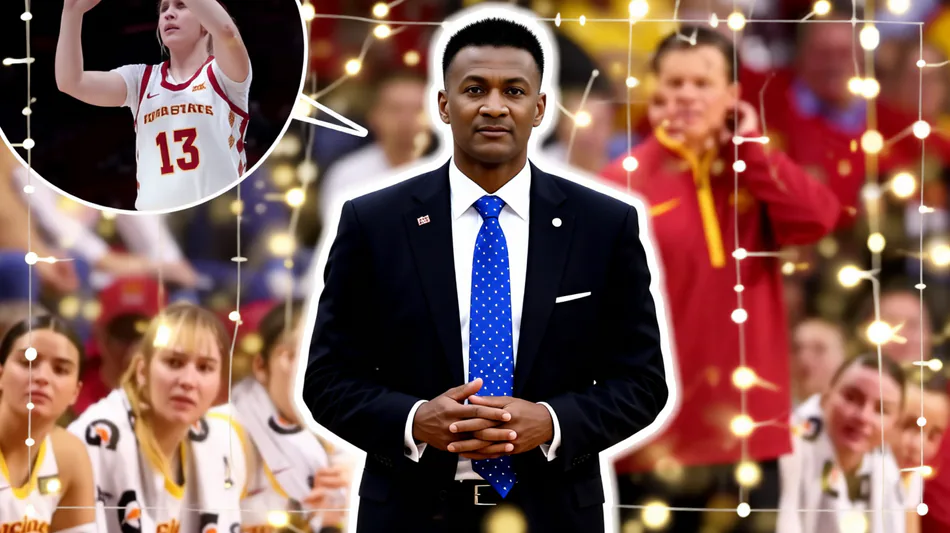
The formal complaints follow an incident on November 15 during a game against the University of Illinois Chicago. Video footage widely circulated on social media showed Fennelly yelling at sophomore guard Sienna Harvey during a timeout before placing his hand on her head and pushing it lightly. Iowa State Athletic Director Jared Benko suspended Fennelly for one game, stating that the university would not tolerate inappropriate contact with student-athletes.
In response to the suspension, Fennelly issued an apology. “I want to apologize to the student-athlete and her family, her teammates and all of Cyclone Nation for allowing my emotions to get the best of me during our game,” Fennelly said. “I fully recognize that there are no situations where it is appropriate to make contact with a student-athlete in that way. I accept responsibility and will serve the suspension and I will do better moving forward.”
Despite the coach’s apology and the formal complaints from former players, current guard Sienna Harvey publicly defended Fennelly on Wednesday. She described the interaction as a misunderstanding of their coaching dynamic.
“Obviously all of us like to be coached hard. We all have a great relationship with our coach,” Harvey said. “I can see how it was perceived on the internet. But, he loves us and cares for us more than anyone … And I like being coached hard … It was just perceived differently to what it was.”
The former players’ letter argues that the demands of competitive excellence are distinct from undermining an athlete’s dignity and safety. They reported instances of inappropriate physical contact and verbal abuse to coaching staff and athletic administration at the time, but stated they did not believe their concerns were taken seriously.
“We accepted the demands of hard work, discipline, and competitive excellence,” the letter continued. “But demanding excellence is fundamentally different from undermining an athlete’s dignity, wellbeing, and sense of safety. For some of us, the consequences did not end with our playing careers. We continue to deal with anxiety, depression, diminished self-worth, and lasting distress that we associate with our time in the program.”
The group asserted that the systems designed to protect student-athletes repeatedly failed them. They described feeling dismissed, discouraged from speaking openly, or afraid of retaliation for raising concerns while active members of the team.
In their letter, the former players requested an independent review of the women’s basketball program, protections against retaliation for current and former athletes, and reforms to how student-athletes are treated at Iowa State. The university has not yet announced whether it will launch an external investigation or what specific reforms might be implemented in response to the allegations.
Q.Panagiotou--AN-GR