No red lines: Israel vs Iran
On 28 February 2026 a joint United States–Israeli operation launched hundreds of airstrikes across Iran. Fighter jets and drones pounded Tehran, Qom, Isfahan and other provincial capitals in a campaign designed to demolish Iran’s air defences, ballistic‑missile infrastructure and nuclear facilities. Among the dead were Iran’s supreme leader Ayatollah Ali Khamenei, the head of the Islamic Revolutionary Guard Corps (IRGC), and several senior commanders. The unprecedented strike also devastated civilian targets: a girls’ primary school near an IRGC complex was hit, killing scores of children, and human rights groups estimate that thousands of civilians died.
The strikes were as much psychological as military. By targeting the leadership’s command structures, the United States and Israel sought to demonstrate that no Iranian official was beyond reach. The Strait of Hormuz was closed after Iran retaliated with missiles against Gulf shipping, sending oil prices soaring and prompting panicked stockpiling worldwide. In the days that followed, scattered celebrations by anti‑government Iranians contrasted sharply with scenes of mourning and calls for revenge from regime loyalists.
Resilience of the Regime
The decapitation strategy did not produce the immediate collapse some in Washington and Jerusalem predicted. Iran’s political system is deliberately diffuse: power flows through parallel institutions, including the Artesh (regular armed forces), the IRGC and the Basij militias. A temporary council made up of the Iranian president, the head of the judiciary and a senior jurist from the Guardian Council assumed the duties of the supreme leader. Security forces continued to enforce order, arresting dissidents and suppressing protests.
Military analysts noted that Iran’s network of ballistic‑missile silos, drone bases and naval installations remained largely intact. The Red Crescent recorded hundreds of strikes across more than two dozen provinces, yet Iran still managed to launch retaliatory barrages against Israel. Western intelligence believes that Tehran preserved much of its missile arsenal and relocated key components underground.
Economic Targets and Regional Fallout
As the war escalated, Israeli jets struck the Asaluyeh natural‑gas hub and facilities at the South Pars field. Those attacks signalled a shift towards economic warfare. Asaluyeh is the heart of Iran’s gas industry, processing gas from the massive South Pars/North Dome field shared with Qatar. Damage there disrupted liquefied natural gas exports, rattled global energy markets and drew condemnation from Gulf states. Qatar responded by expelling Iran’s military attaché after Iranian forces retaliated near the Ras Laffan hub. Tehran warned that any attacks on its energy infrastructure would be met with strikes on regional facilities, raising fears of a broader conflict engulfing the Gulf.
International Reaction and Legal Concerns
The scale of civilian casualties drew sharp criticism from international organisations. The United Nations called for an immediate ceasefire, while Russia and China denounced the strikes as reckless and destabilising. Reports that cluster munitions were used on populated areas sparked debate about violations of international humanitarian law. Humanitarian agencies warned of a looming crisis as hospitals overflowed with casualties and millions faced disrupted water and electricity supplies.
Meanwhile, the United States increased its military presence in the Gulf and Eastern Mediterranean, arguing that deterrence required persistent force. European leaders struggled to keep critical shipping lanes open as insurance rates spiked and crews refused to navigate the Strait of Hormuz. Energy importers began drawing down strategic reserves, fearing a protracted closure.
Debate Over Decapitation
Security experts are divided over the efficacy of targeting leaders. Critics argue that the Islamic Republic is not a one‑man show. Removing a supreme leader eliminates a symbol but does little to dismantle the structures that sustain the regime. The Iranian constitution provides for succession mechanisms; killing moderates may simply elevate more radical figures. Experiences with non‑state actors such as Hamas and Hezbollah show that leadership decapitation often hardens movements rather than dissolving them. Moreover, Western analysts warn that Iran’s dual military structure and deeply entrenched institutions make a decisive defeat unlikely without a large‑scale occupation.
Proponents of the strikes counter that the removal of charismatic leaders weakens coherence and sows confusion. They point to public anger over economic hardship, corruption and repression as evidence that Iranian society is nearing a tipping point. In their view, prolonged pressure could erode the regime’s legitimacy and encourage defections.
Public Sentiment and Uncertain Future
Among foreign observers and diasporic communities, the strikes generated a wave of commentary. Some expressed astonishment at the reach of Israeli intelligence, joking that Tehran must now confront a wave of “vacancies” in its hierarchy. Others questioned how much further hard‑line policies could go when the government already controlled the judiciary, the media and the armed forces. There is speculation that younger cadres of ideologues are waiting to step into the power vacuum and that the system has trained successors precisely for such crises. Skeptics, however, note that any replacement could be removed just as swiftly and that the underlying grievances – economic mismanagement, political repression and regional isolation – will continue to feed unrest.
There is also unease about the long‑term consequences. Some fear that decapitation will radicalise the state further, pushing it towards more indiscriminate violence at home and abroad. Others warn that a leaderless Iran could fracture, plunging the region into chaos. Conversely, optimists hope that the loss of revered figures will open space for reformist voices, though hard‑liners currently dominate. Even those who welcome the blows against a repressive regime acknowledge that prolonged conflict risks humanitarian catastrophe and escalates the chances of miscalculation.
Conclusion and Future?
The strikes on Iran’s leadership have reshaped the Middle East. By demonstrating that no bunker or compound is impregnable, Israel and the United States have shattered a key pillar of the Islamic Republic’s authority. Yet the regime’s structural resilience and the complex web of regional alliances mean that an end to the conflict is far from certain. Iran’s capacity to absorb punishment, reorganise and retaliate suggests that the war will drag on, with devastating consequences for civilians and the global economy. As oil tankers queue outside the Strait of Hormuz and hospitals in Tehran overflow, the world watches anxiously to see whether the decapitation strategy will hasten change or entrench the cycle of violence.
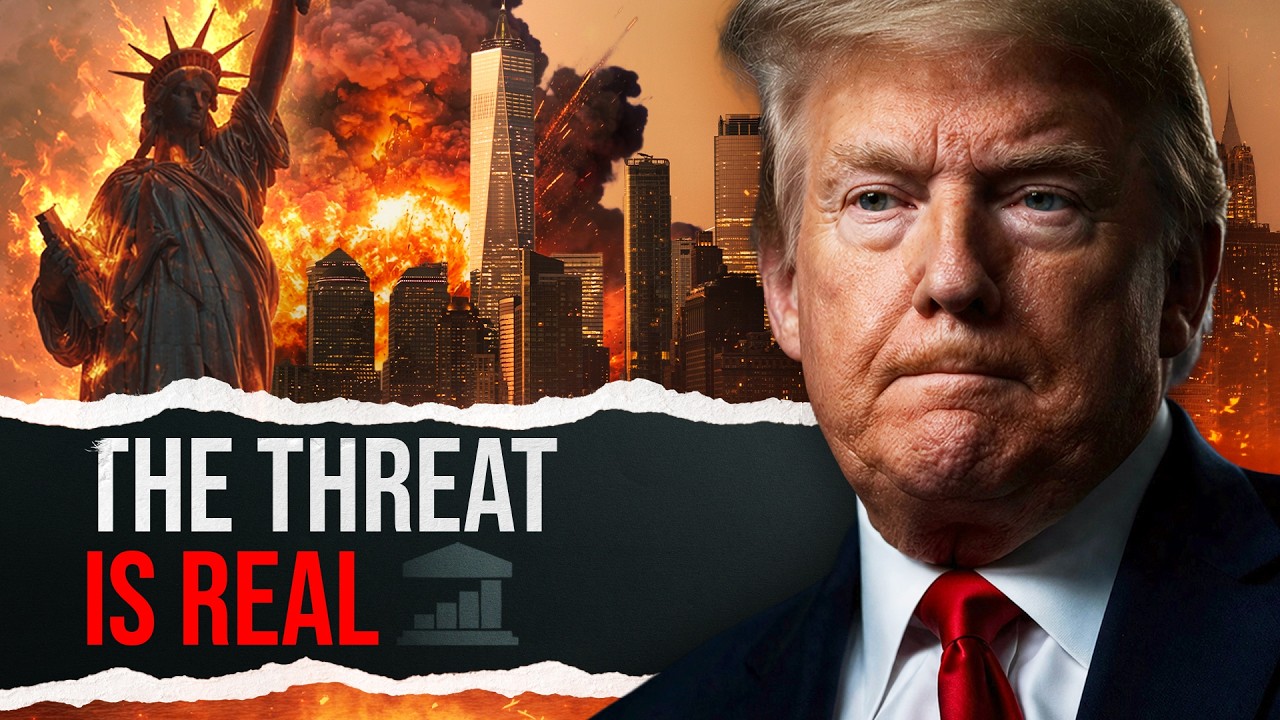
Calm or Chaos: Iran’s reach
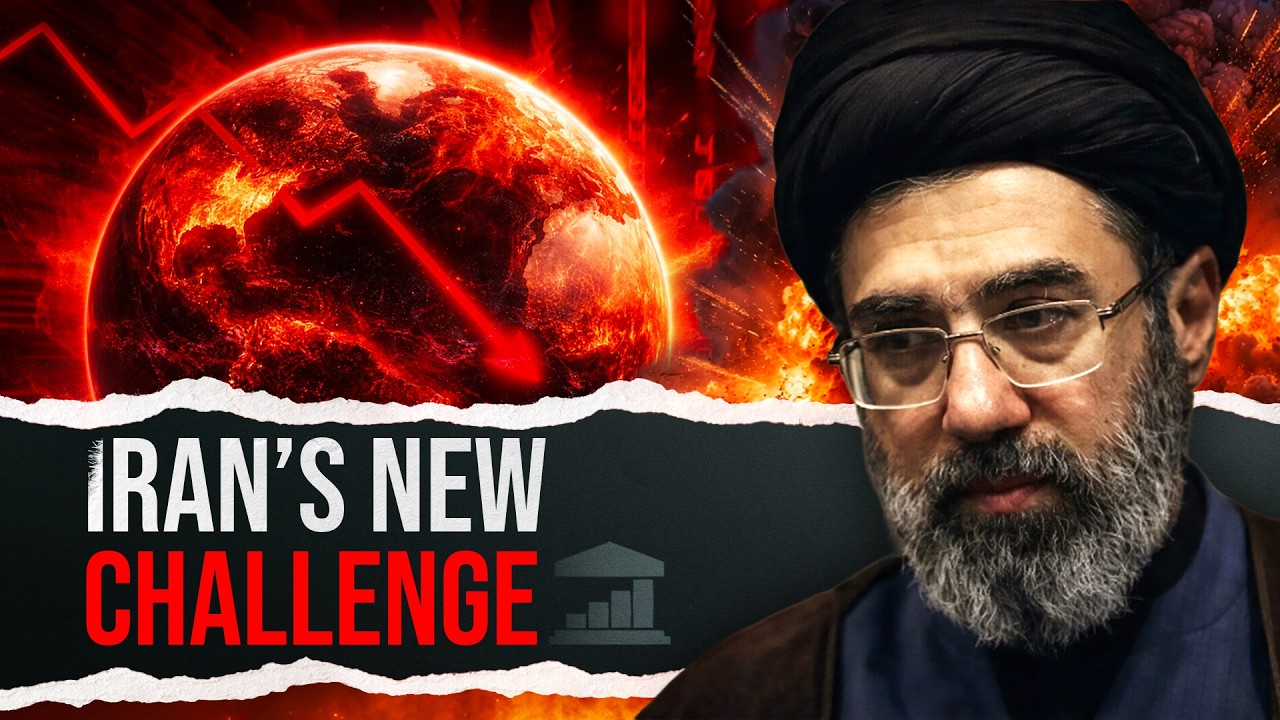
Iran-War and dangerous Lines
Cuban regime nears collapse
Cuba Strangled by US Pressure

Power at the Heart of Iran

Argentina reshapes oil

EU misstep on mercosur Deal

India defies U.S. tariffs

AI sparks Wall Street panic
EU India deal gains unveiled
Japan’s right‑turn triumph