'No aborts. Good luck': Key moments in the US war on Iran / Photo: ALEX WONG - GETTY IMAGES NORTH AMERICA/AFP
After years of US planning and weeks of military buildup, President Donald Trump gave the order for American forces to strike Iran: "Operation Epic Fury is approved. No aborts. Good luck."
US forces then launched a sweeping campaign of strikes that has smashed Iranian command-and-control sites, destroyed missile infrastructure and sunk navy vessels.
Below, AFP examines key moments in the US operation against Iran.
- The buildup -
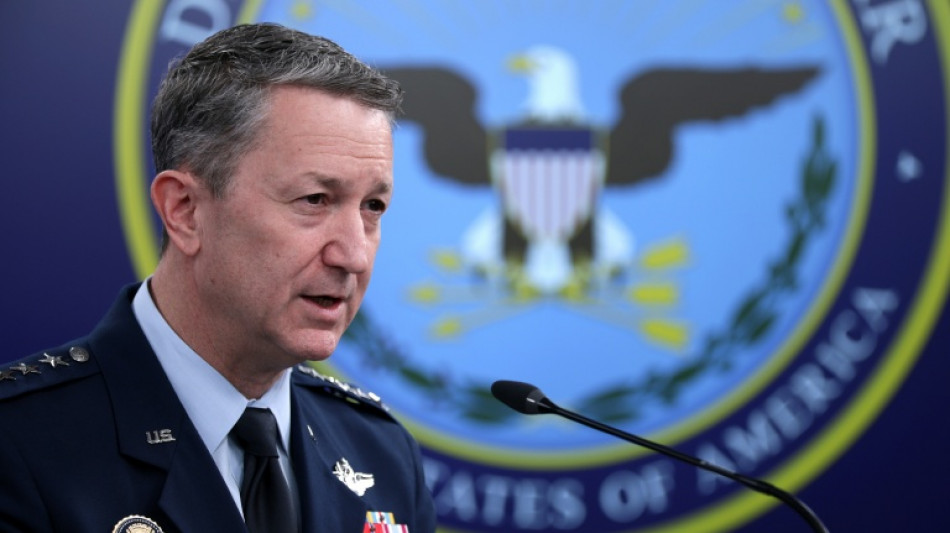
The United States has for weeks been building up military forces in the Middle East "to reinforce deterrence and provide the president with credible options should action be required," top US military officer General Dan Caine told a news conference on Monday.
"These movements ensured that US forces remain postured, protected and ready to respond decisively for any emerging threat," he said.
"This deployment included thousands of service members from all branches, hundreds of advanced fourth- and fifth-generation fighters, dozens of refueling tankers, the Lincoln and Ford carrier strike group and their embarked air wings, sustained flow of munitions, fuel supplies."
- The order -
The order for the strikes came on Friday afternoon, Caine said. It was issued by Trump and conveyed by Pentagon chief Pete Hegseth to US Central Command (CENTCOM) -- which is responsible for American forces in the Middle East.
"The President directed, and I quote, 'Operation Epic Fury is approved. No aborts. Good luck,'" Caine said.
- The start -
"The first movers were US CYBERCOM and US SPACECOM, layering non-kinetic effects, disrupting and degrading and blinding Iran's ability to see, communicate and respond," Caine said, referring to Cyber and Space Commands.
Major US combat operations then began Saturday at 9:45 am in Tehran, or 1:15 am Saturday on the east coast of the United States.
"More than 100 aircraft launched from land, sea -- fighters, tankers, airborne early warning, electronic attack, bombers from the States and unmanned platforms -- forming a single synchronized wave," according to the general.
The US Navy also launched Tomahawk cruise missiles at Iranian navy vessels, while American ground forces "fired precision standoff weapons," Caine said.
The start of the campaign "marked the culmination of months, and in some cases, years, of deliberate planning and refinement against this particular target set."
- The targets -
Caine said the United States struck more than 1,000 targets in the first 24 hours of the war.
"In the initial phase, CENTCOM's focus was systematic targeting of Iranians' command-and-control infrastructure, naval forces, ballistic missile sites and intelligence infrastructure, designed to daze and confuse them," he said.
"Coordinated space and cyber operations effectively disrupted communications and sensor networks across the area of responsibility, leaving the adversary without the ability to see... or respond effectively."
- The objectives -
"Our military objectives are clear. Our mission is to protect and defend ourselves, and together with our regional partners, prevent Iran from the ability to project power outside of its borders -- and be ready for follow-on actions as appropriate," Caine said.
But the timeline for completing those objectives is open-ended.
"This is not a single overnight operation. The military objectives that CENTCOM and the Joint Force have been tasked with will take some time to achieve," the general said.
"We expect to take additional losses, and as always, we will work to minimize US losses," he said.
Four US military personnel have been killed since the start of the war.
D.Nikolaou--AN-GR