South African Bail Fund Launches to Address Remand Detention Crisis
The South African Bail Fund has been launched to assist indigent detainees with bail payments of R1,000 or less, aiming to alleviate severe overcrowding in correctional facilities. Former Constitutional Court justice Edwin Cameron and officials highlight the initiative as a critical step toward addressing systemic inequalities, though experts emphasize that robust safeguards are necessary to ensure public safety and prevent abuse.
The South African Bail Fund has launched an initiative designed to cover bail payments of R1,000 or less for qualifying remand detainees who lack the financial means to secure their release. The fund’s primary objective is to address persistent inequalities within the nation's criminal justice system by advancing payments for individuals who have been granted bail but cannot afford it.
Former Constitutional Court justice Edwin Cameron has characterized these individuals as "prisoners of poverty," noting that two people granted bail under similar circumstances can face vastly different outcomes solely based on their ability to pay. The launch is viewed by proponents as a necessary intervention to uphold constitutional principles of dignity, equality, and personal liberty.
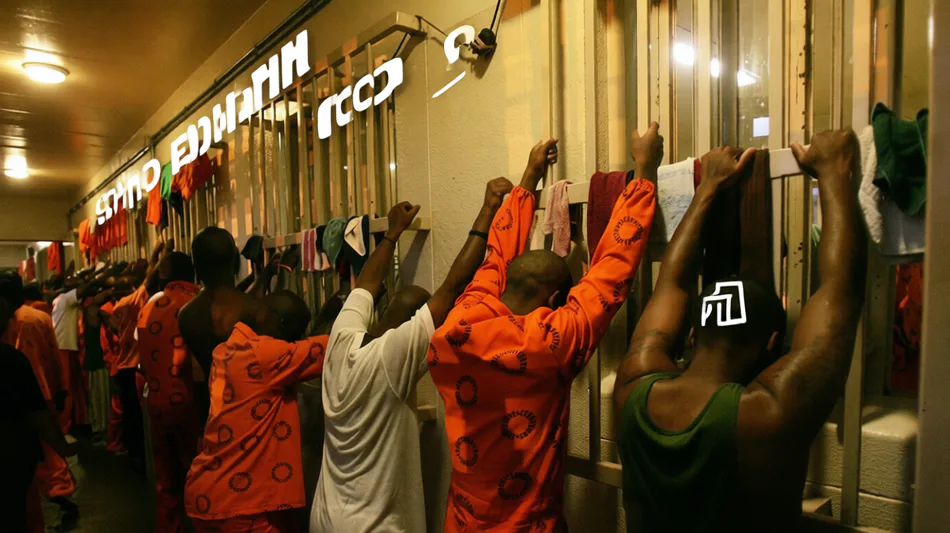
The scale of the remand detention problem in South Africa underscores the urgency of this intervention. Minister of Correctional Services Pieter Groenewald reported in May that there were 62,002 remand detainees in correctional facilities. More recent parliamentary engagements indicate that these individuals account for approximately 36% of the country’s total inmate population.
The duration of pre-trial detention is a significant component of the crisis. During an October 2026 briefing to the select committee on security and justice, the Auditor-General of South Africa revealed that some remand detainees remain unsentenced for between five and eight years, despite appearing in court once or twice a month. These delays were observed across various categories of offenses and were not confined to serious charges.
The Judicial Inspectorate for Correctional Services has also documented 4,112 remand detainees who have been awaiting trial for more than two years. More directly relevant to the new fund, data indicates that 2,137 detainees had been granted bail of less than R1,000 but were unable to pay it. These figures illustrate how poverty and systemic delays contribute to unnecessary detention.
The financial implications of this detention model are substantial. In October 2026, the Department of Correctional Services reported spending approximately R482 per inmate per day. This amounts to R14,460 per month and roughly R175,930 annually for each detainee. Consequently, keeping an individual incarcerated because they cannot afford a small bail amount costs taxpayers considerably more than the sum required to secure their release.
Overcrowding places additional pressure on correctional facilities, personnel, infrastructure, and essential services. It compromises the safety and dignity of incarcerated people and hinders the department’s ability to fulfill its rehabilitation mandate. The Bail Fund aims to mitigate these issues by assisting qualifying detainees who have already been granted bail by a court, thereby reducing unnecessary detention and limiting expenditure on individuals whose continued incarceration is no longer required by judicial decision.
However, success for the fund cannot be measured solely by the number of people released. It must also be evaluated based on whether those releases are responsible and consistent with public safety. The presumption of innocence is a cornerstone of constitutional democracy, and awaiting trial detention must not become punishment by another name. Yet, the rights of accused persons cannot be considered in isolation from the rights and safety of victims and communities.
The committee has previously raised concerns regarding families’ unwillingness to contribute toward an accused person’s bail, even when the amount is relatively small. In some instances, this reluctance stems from the alleged harm caused by the individual within the community and fears that their release could expose victims and residents to further harm. These concerns cannot be dismissed.
There is a critical distinction between someone who cannot afford bail and someone whose continued detention is justified by risks identified during bail proceedings. The fund must never bypass judicial decisions or weaken lawful bail conditions. Section 60 of the Criminal Procedure Act provides the framework for bail proceedings and the considerations courts must take into account when deciding whether an accused person should be released. These judicial safeguards must be respected and upheld at all times.
Clear eligibility criteria and transparent procedures are essential for the fund’s operation. It must establish how applicants are identified, how their financial circumstances are verified, and how decisions are recorded. Assistance must reach those who genuinely cannot afford bail and must not become an avenue for preferential treatment or abuse. Previous convictions and relevant risk factors should inform assessments without automatically disqualifying applicants or replacing the court’s decision.
Engagement with victims, where appropriate and lawful, and meaningful consultation with affected communities should inform the process. Victims and their families must have an opportunity to raise legitimate concerns about intimidation, threats, or further harm. Such engagement must not, however, amount to giving communities a veto over judicial decisions.
Strong financial controls are equally important. Transparent records of payments and beneficiaries, mechanisms to prevent fraudulent or duplicate applications, and safeguards against conflicts of interest must be in place. The South African Bail Fund presents an opportunity to address a glaring injustice in the criminal justice system, ensuring that no person remains in detention simply because they cannot raise R500 or R1,000 when a court has already determined that they may be released on bail.
The initiative reflects a broader imperative: the justice system must not punish people for being poor. Equally, the fight against unnecessary pre-trial detention must not come at the expense of victims’ rights and public safety. Liberty, fairness, and public safety must remain complementary principles of a just society.
Q.Mavridis--AN-GR